Financing made easy and perks fit for a knight!
Back to Blog
How to Prepare Your Home’s Systems Before Spring Storms Hit Long Island
There is a specific kind of shift that happens on Long Island as we move out of the freezing winter and into the unpredictable spring. While we are all looking forward to the warmer days, those of us who have lived here long enough know that spring also brings a unique set of challenges. Between the lingering Nor’easters and the sudden, heavy thunderstorms, our homes take a lot of punishment. In neighborhoods from the North Shore to the South Shore, the ground often becomes so saturated that water has nowhere to go but toward your foundation. Preparing your home’s infrastructure before the clouds turn grey is the difference between a minor rainy day and a very expensive cleanup project.
In this blog, we are going to walk through the essential steps to prepare your plumbing and HVAC systems for the upcoming storm season.
Sump Pump Health: Your First Line of Defense
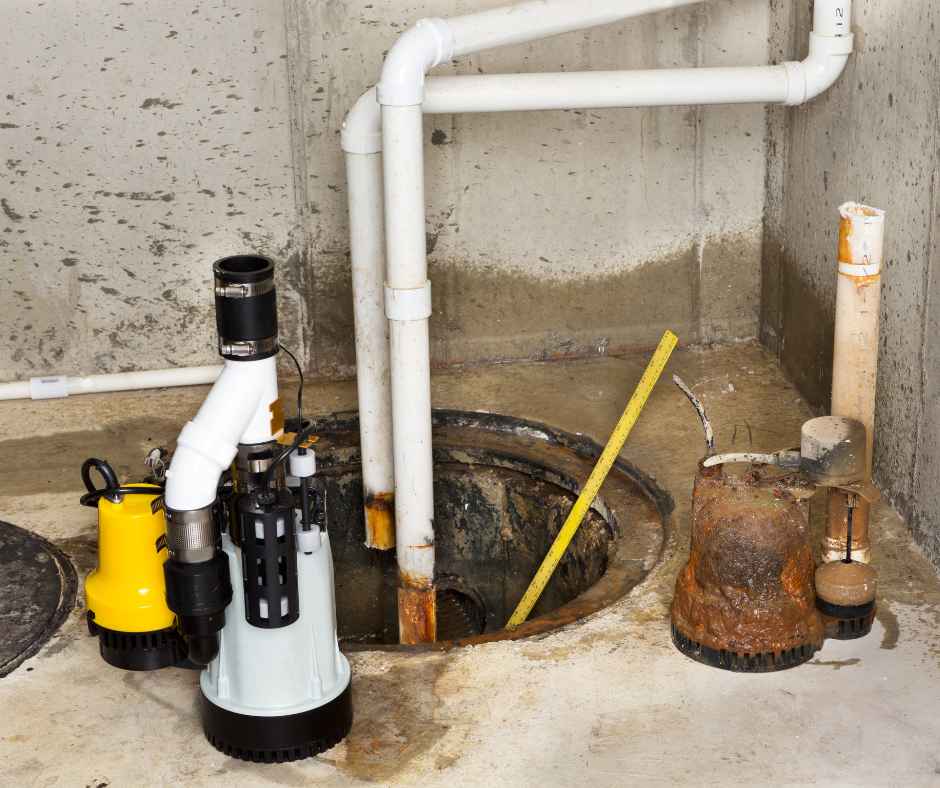
If you have a basement or a crawl space, your sump pump is easily the most important piece of equipment in your home during a spring storm. Its only job is to move water out and away from your house, but it is often ignored until it is too late. Because these pumps can sit dormant for months at a time, they are prone to “seizing up” or having float switches get stuck. When a heavy downpour hits and the water table rises, you need to know for a fact that the pump will kick on without hesitation.
You can perform a simple “stress test” on your own in just a few minutes:
- Locate the sump pit in your basement and remove any debris or dirt that might have fallen inside.
- Slowly pour a five-gallon bucket of water into the pit to simulate a rising water level.
- Watch to ensure the float rises freely and the pump activates once the water reaches the trigger point.
- Listen for any unusual grinding or rattling noises, which could indicate a failing motor or a damaged impeller.
- Check the discharge line outside to make sure the water is actually flowing out and away from your foundation.
One of the biggest risks during a Long Island storm is a power outage. A standard sump pump runs on electricity, which means if the grid goes down, your basement has no protection. This is why we highly recommend a battery backup system. These secondary pumps are designed to take over the moment the primary pump loses power or becomes overwhelmed by the volume of water. It is the ultimate peace of mind for those late-night storms when the power lines are swaying and the rain is relentless.
Protecting the Heart of Your Home: HVAC Safety
While we usually think of storms as a plumbing problem, they can be just as dangerous for your heating and cooling systems. High winds can toss yard debris, branches, and even patio furniture directly into your outdoor condenser unit. If a heavy limb hits those delicate aluminum fins, it can restrict airflow and lead to a total system failure just as the spring humidity starts to climb. Before the storm season really ramps up, take a walk around your outdoor unit and clear a “buffer zone” of at least two feet.
Beyond physical damage, you also have to worry about the electrical “heart” of your HVAC system. Spring thunderstorms often bring lightning and power fluctuations. A sudden surge can fry the sensitive circuit boards inside a modern furnace or air conditioner in the blink of an eye.
We recommend these specific spring precautions for your HVAC:
- Install a whole-home surge protector at your main electrical panel to safeguard all your major appliances.
- Ensure your outdoor unit is sitting on a level, stable pad so it does not shift or sink into the mud during heavy rain.
- Check the condensate drain line for your indoor unit to make sure it is not clogged with winter dust, which can cause an indoor flood.
- Consider an “HVAC cover” only during the heaviest part of the storm to prevent debris from entering the top of the unit.
Your HVAC system is a major investment, and it deserves protection against the elements. If you notice that your system is making strange clicking noises or failing to turn on after a storm, it is likely that a safety switch has been tripped or a fuse has blown. Calling a professional for a quick “spring tune-up” is the best way to ensure that your home stays comfortable and dry, no matter what the weather looks like outside your window.
Drainage and Gutters: Keeping the Water Out
It might seem like a simple chore, but your gutter system is actually the most important drainage tool your home has. Its entire purpose is to collect the thousands of gallons of water that fall on your roof and move it safely away from your foundation. On Long Island, many of our homes are tucked under beautiful, mature oak and maple trees. While these provide great shade, they also drop a constant stream of “spring tassels” and debris that can clog your gutters in a single afternoon. When gutters are blocked, the water overflows and falls straight down against your basement walls. This is the primary cause of foundation cracks and basement seepage in our area.
You want to make sure the path of the water is clear from the roof all the way to the curb:
- Clean your gutters of all organic material and flush the downspouts with a garden hose to ensure there are no hidden clogs.
- Install downspout extensions to move the water at least five to ten feet away from your foundation.
- Check the “grading” of the soil around your house to ensure it slopes away from the structure, not toward it.
- Inspect your splash blocks to make sure they haven’t shifted or sunk into the mud over the winter.
If you have a driveway that slopes toward your garage, pay special attention to the trench drain at the bottom. These drains are notorious for filling up with sand and leaves, which can lead to a flooded garage during a flash flood. Taking twenty minutes to scoop out that debris can save you from a very messy cleanup later. Think of your home as a ship; if the hull is clear and the water is being pumped away, you will stay dry. If the water is allowed to pool against the sides, it will eventually find a way in.
Plumbing Under Pressure: Preventing Sewer Backups
One of the most unpleasant side effects of a Long Island spring storm is the immense pressure it puts on our local sewer and septic systems. When we get several inches of rain in a short period, the ground becomes completely saturated. For homes on septic systems, this means the drain field cannot absorb liquid as quickly as usual. For homes on municipal sewers, the main lines can become overwhelmed by “inflow,” which is rainwater leaking into the sanitary system. In either case, the result can be a backup into your lowest drains, such as your basement utility sink or shower.
There are a few ways to tell if your plumbing is struggling under the weight of a storm:
- Gurgling sounds coming from your toilets or drains when it rains heavily outside.
- Water backing up into the basement floor drain or shower when you run the washing machine.
- A noticeable “sewer gas” smell around your floor drains or yard during a wet week.
- Toilets that flush slowly or require multiple attempts to clear despite no obvious clog.
If you have a history of backups, you might want to consider a backwater valve. This is a “one-way” gate installed on your main sewer line that allows waste to leave your house but prevents city sewage from pushing back in during a flood. Additionally, if you are on a septic system, try to limit your water usage during the heaviest part of a storm. Delaying that load of laundry or the long shower for a few hours can give your drain field the time it needs to recover. It is all about managing the volume so your system can keep up with the weather.
Taking Control Before the Clouds Roll In
There is a sense of empowerment that comes with knowing your home is truly ready for whatever the Atlantic sends our way. While you cannot stop a spring storm from hitting Long Island, you can certainly control how your home responds to it. By taking a proactive approach to your sump pump, HVAC system, and drainage, you are doing more than just preventing a mess; you are protecting your peace of mind and your family’s comfort during a season that is famous for its surprises.
At Chivalry Plumbing, Heating & Cooling, we are dedicated to helping our neighbors stay dry and comfortable all year long. Whether you need a battery backup for your sump pump or a spring safety check for your AC, our team is ready to provide the reliable service you need. Contact us today to schedule your spring storm readiness inspection.
FAQ: Spring Storm Readiness
How often should I test my sump pump?
You should test your pump at least once every three months, but it is especially important to do so right before the spring rainy season begins. If your basement has a history of moisture, a monthly check is even better to ensure the float switch hasn’t become stuck.
Can lightning really damage my air conditioner if it is turned off?
Yes, it can. While turning off the thermostat helps, a massive power surge from a nearby strike can still travel through the electrical lines and damage the control boards. A dedicated HVAC surge protector is the best way to prevent this type of catastrophic failure.
Why does my basement smell like sewage when it rains?
This is often a sign of a “dry trap” or a venting issue, but during a storm, it can also indicate that the municipal sewer system is under heavy pressure. If the smell is accompanied by slow drains, you may be at risk for a backup and should have your main line inspected.
Should I cover my outdoor AC unit during a storm?
You can use a cover to protect it from falling branches and flying debris, but you must remove the cover before turning the unit back on. Leaving a cover on while the system is running can cause it to overheat and damage the compressor within minutes.
Do downspout extensions really make a difference?
They are one of the most effective and least expensive ways to prevent basement flooding. Moving water just five feet further away from your foundation can significantly reduce the “hydrostatic pressure” that pushes water through small cracks in your basement walls.
Recent News
Why Older Long Island Homes Develop Low Water Pressure
How Coastal Air on Long Island Affects HVAC & Plumbing Systems
Water Heater Size Guide for Long Island Families
What Causes Sewer Backups in Massapequa and Surrounding Communities?
Smart Plumbing Upgrades That Save You Money in New York
Freeze & Burst Protection in Massapequa: How to Safeguard Pipes Before Winter