Financing made easy and perks fit for a knight!

Back to Blog
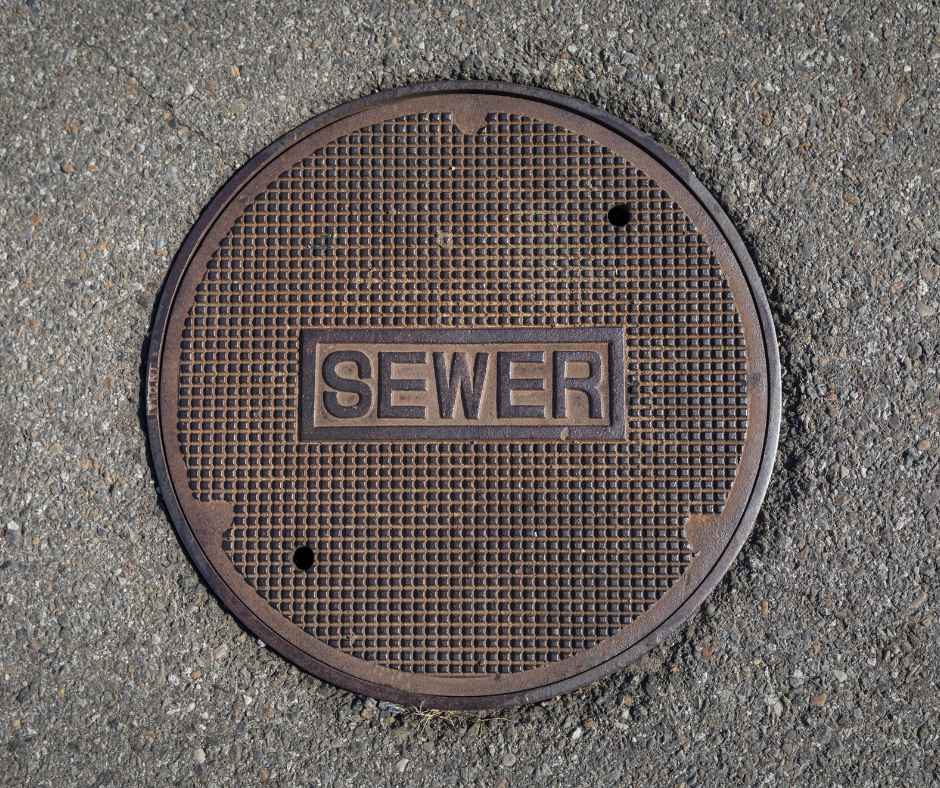
What Causes Sewer Backups in Massapequa and Surrounding Communities?
For homeowners in Massapequa and the surrounding Nassau County communities, the sewer line is the most vital yet most ignored part of the household infrastructure. We live in an area characterized by mature landscapes, sandy coastal soil, and aging municipal systems, all of which create a perfect storm for sewer complications. A backup is more than just a plumbing inconvenience; it is a health hazard and a significant threat to your property’s foundation and interior finishes.
In this blog, we will identify the primary culprits behind sewer failures in our specific corner of Long Island. From the aggressive root systems of our neighborhood trees to the unique challenges posed by our high water table, understanding these factors is the first step toward prevention.
The Root of the Problem: Invasive Trees in Nassau County
Massapequa is famous for its beautiful tree-lined streets. Those same oaks, maples, and evergreens that provide shade also pose a constant threat to your sewer line. Tree roots are biologically programmed to seek out sources of moisture and nutrients. A sewer pipe carrying warm and nutrient-rich water is an irresistible target. Even a microscopic crack or a loose joint in an older pipe allows a single root hair to enter. Once inside, it grows rapidly and creates a dense root ball that acts like a filter. This mass catches grease and toilet paper until the line is completely obstructed.
In our local area, many homes still use original clay or cast-iron pipes. Root intrusion is the leading cause of sudden backups in these systems. Regular drainage maintenance should always include a focus on these subterranean invaders. To determine if your Massapequa property is at risk for a root-related disaster, consider these factors:
- Age of the Main Line: Identifying if your home still uses vitrified clay or cast iron pipes because they have joints that naturally weaken and weep over decades.
- Proximity of Large Trees: Mapping the distance between your sewer exit and any large trees. Roots can often travel two to three times the width of the tree canopy.
- Slow Draining Fixtures: Noticing that multiple sinks or tubs in the house are draining sluggishly at the same time.
- Gurgling Sounds: Hearing a distinct bubbling noise from your toilets when a shower or washing machine is running.
- Lush Patches of Grass: Finding a specific area of your lawn that stays green even during a dry spell. This is often located directly above the sewer path.
- Recurring Minor Clogs: Having to snake your drains every few months. This suggests that roots are growing back into the line after a temporary clearing.
- Visible Sinkholes: Observing small depressions in the soil near your foundation or sidewalk where a pipe break has allowed soil to be washed away.
Managing roots requires more than just a standard plumbing snake. It often involves specialized equipment that can cut through the fibrous mass without destroying the structural integrity of your pipes.
Coastal Challenges: Sandy Soil and Shifting Foundations
Massapequa and its neighboring coastal communities sit on a foundation of sandy, porous soil. While this allows for decent surface drainage, it presents a unique challenge for underground utility lines. Sandy soil is prone to shifting and erosion, especially during the heavy rain cycles and storm surges common to Long Island. When the soil beneath a sewer pipe shifts, it can cause a “belly” or a low spot in the line. This creates a pool where solids and heavy debris settle rather than flowing through to the municipal main.
Over time, these bellies become the primary site for major backups. The high water table in our region further complicates matters by putting external pressure on aged pipes. Proper drainage maintenance must account for these geological shifts. If your home is located in a low-lying or coastal area, you should be aware of these specific environmental risks:
- Sewer Pipe Offsets: Checking for sections of the pipe that have disconnected or shifted out of alignment due to soil movement.
- Corrosion from Salt Air: Monitoring the exterior of cast iron pipes for accelerated rusting caused by the salty coastal atmosphere.
- Hydrostatic Pressure: Understanding how a rising water table during high tide or heavy rain can push groundwater into tiny cracks in your sewer line.
- Pipe Bellies and Sags: Using video inspections to find low points in the line where standing water and “sludge” habitually collect.
- Sandy Infiltration: Identifying points where fine sand is entering the pipe through small breaches and creating an abrasive blockage.
- Foundation Settling: Recognizing that as your home’s foundation settles into the sandy soil, it can put a “shear” force on the sewer exit point.
- Storm Surge Impact: Preparing for the possibility that a major coastal event can temporarily reverse the flow of the municipal system.
Because sandy soil moves so easily, a pipe that was perfectly straight twenty years ago may now have several “dips” that impede flow. Addressing these structural issues is the only way to prevent a recurring cycle of backups.
The FOG Factor: Kitchen Habits and Local Infrastructure
Beyond the external threats of trees and soil, many sewer backups in Massapequa are caused by what goes down the kitchen sink. FOG stands for Fats, Oils, and Grease. While these substances may be liquid when hot, they quickly cool and solidify once they reach the cold underground pipes. This creates a waxy buildup that acts like “plaque” in your home’s arteries. In our local area, many of the older lateral lines have a rough interior surface that provides the perfect texture for grease to cling to and grow.
As this buildup narrows the pipe, even small amounts of food waste or “flushable” wipes can snag and create a total blockage. Incorporating better kitchen habits into your drainage maintenance routine is the simplest way to avoid a self-inflicted backup. To keep your kitchen lines clear and functional, avoid these common mistakes:
- Pouring Bacon Grease Down the Drain: Disposing of cooking fats in the trash instead of the sink because they turn into solid “fatbergs” underground.
- Over-Reliance on the Garbage Disposal: Putting fibrous vegetables like celery or starchy items like potato peels down the disposal.
- Rinsing Cold Plates with Fat: Using hot water and soap to fully emulsify any oils before they enter the plumbing system.
- Using “Flushable” Wipes: Understanding that these products do not break down like toilet paper and are a leading cause of Nassau County sewer clogs.
- Ignoring Slow Kitchen Drains: Treating a slow sink as a minor annoyance rather than an early warning sign of grease buildup.
- Chemical Drain Cleaners: Avoiding harsh lye-based cleaners that can damage older pipes and often fail to dissolve thick grease.
- Lack of Regular Flushing: Not occasionally running a full sink of hot water to help push minor residues through the main line.
In Massapequa, where many of our sewer lines have very slight slopes, gravity alone cannot always clear out heavy grease. Being mindful of what enters your pipes is critical to protecting your entire drainage system.
Professional Diagnostics: Why Scoping Matters in Massapequa
Because so much of the sewer system is hidden underground, guesswork is the enemy of a permanent solution. At Chivalry Plumbing, Heating & Cooling, we use high-definition sewer cameras to provide a clear view of the interior of your pipes. This diagnostic tool allows us to see exactly where a root has entered or where a “belly” has formed in the sandy soil. In our older neighborhoods, knowing the true condition of your infrastructure is the only way to make an informed decision about repairs.
A professional drainage maintenance visit offers several key benefits for local homeowners:
- Visual Proof of Issues: Seeing the exact cause of your backup so you don’t pay for unnecessary cleaning or repairs.
- Precision Locating: Identifying the exact spot in your yard where a pipe is broken to minimize digging and property damage.
- Hydro Jetting Solutions: Using high-pressure water to scrub pipes clean of grease and roots without using invasive chemicals.
Protect Your Massapequa Home from Sewer Disasters
A sewer backup is a stressful event that no homeowner should have to face alone. By understanding the local challenges of invasive roots, shifting sandy soil, and kitchen grease, you can take control of your home’s safety.
Chivalry Plumbing, Heating & Cooling is dedicated to providing the residents of Massapequa and Nassau County with honest, expert drainage solutions. If you are worried about the age of your pipes or have noticed slow drains, contact us today to schedule a professional sewer inspection.
FAQ: Massapequa Sewer and Drainage
Is the town responsible for my sewer backup?
The local municipality is generally only responsible for the main sewer line in the street. The “lateral” line that connects your house to the main line is the homeowner’s responsibility.
How often should I have my sewer line cleaned?
If you have large trees on your property, we recommend a professional cleaning and inspection every 1 to 2 years to stay ahead of root growth.
Can I stop roots from growing back?
While hydro jetting removes existing roots, they will eventually return unless the pipe is repaired or lined. We offer several options for permanent root prevention.
Why does my basement smell like eggs after a heavy rain?
This is often the smell of sewer gas. Heavy rain can put pressure on the municipal system and push gases back through your dry P-traps or floor drains.
What is a “sewer belly?”
A belly is a sagging section of pipe where water and waste pool because the pipe is no longer sloped correctly toward the street.
Recent News
How to Prepare Your Home’s Systems Before Spring Storms Hit Long Island
How to Lower Heating Bills During a Long Island Winter Without Losing Comfort
Smart Plumbing Upgrades That Save You Money in New York
Freeze & Burst Protection in Massapequa: How to Safeguard Pipes Before Winter
Massapequa Home Plumbing Audit: 20-Point Checklist
Tankless vs. Traditional Water Heaters: An Unbiased Cost-Benefit Analysis